


Installing windows in educational facilities requires a blend of durability, energy efficiency, and safety. As educational environments evolve, modern window installation techniques have emerged to address the specific needs of schools, from ensuring security to maximizing natural light. This article explores the latest window installation methods and technologies that enhance the comfort, efficiency, and safety of educational facilities.
1. Precision Measurement and Custom-Fit Installation
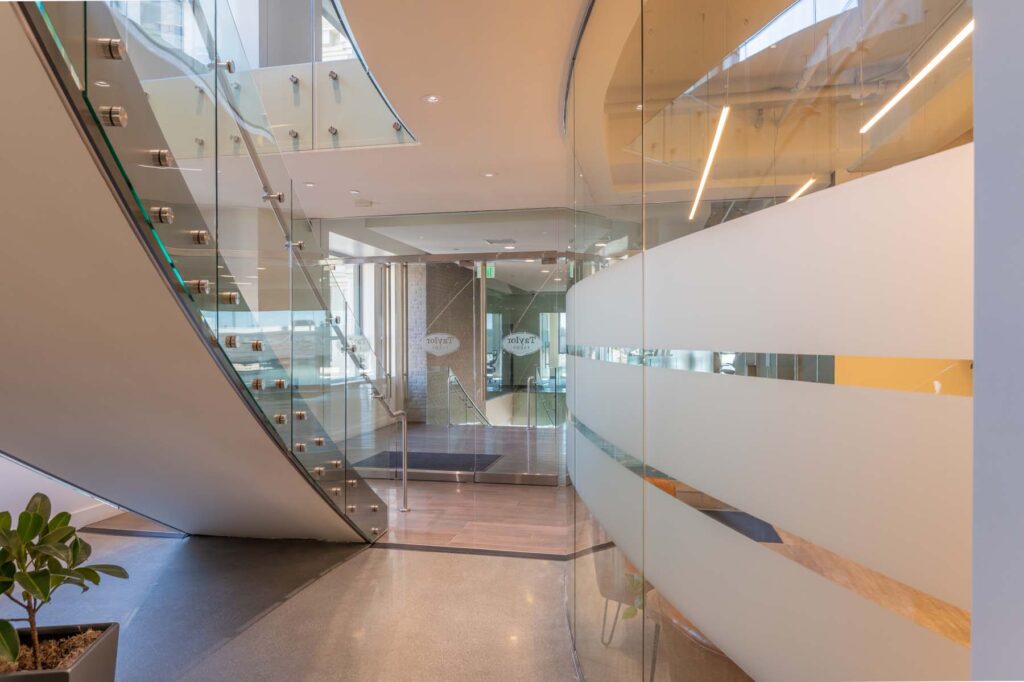
Accurate measurements and custom-fit installations are essential in modern window installations, ensuring a seamless fit that enhances both energy efficiency and aesthetic appeal.
- Technique: Advanced laser measurement tools are now used to capture precise window dimensions, reducing errors in cutting and fitting. Custom-fabricated windows are created to fit exact dimensions, ensuring an airtight seal and preventing drafts.
- Benefits: Custom-fit installations improve energy efficiency by eliminating gaps, reduce the likelihood of water infiltration, and provide a more polished look that complements the building’s architecture. This precision is especially important for older educational buildings where window frames may not have standard dimensions.
2. Energy-Efficient Glazing Technologies
Glazing technology has advanced significantly, allowing windows to better regulate temperature and reduce energy consumption. Multi-pane glazing and specialized coatings improve insulation and help maintain comfortable indoor environments, essential in classrooms where students spend extended periods.
- Technique: Double or triple glazing involves installing two or three layers of glass with insulating gas (usually argon or krypton) between them, creating a barrier that minimizes heat transfer. Low-E (low emissivity) coatings reflect heat back into the room during winter and keep heat out in the summer.
- Benefits: Multi-pane glazing and Low-E coatings reduce the need for heating and cooling, lowering energy costs. These energy-efficient windows help stabilize indoor temperatures, creating a comfortable learning environment year-round.
3. Thermal Break Frames for Enhanced Insulation
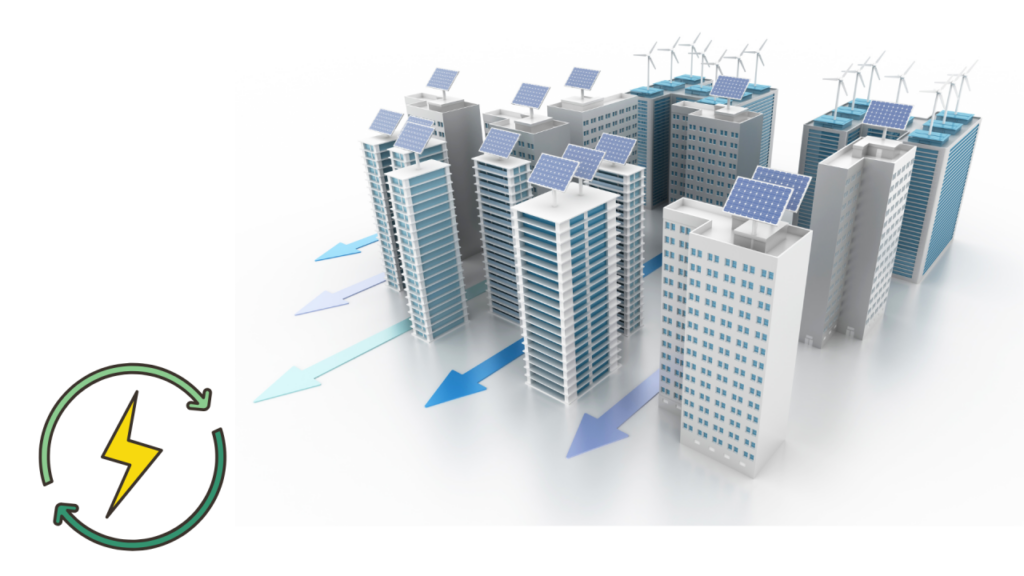
Thermal break frames are modern frame designs that significantly improve insulation by interrupting the flow of thermal energy, reducing heat transfer between the interior and exterior of the building.
- Technique: Thermal break frames are constructed with an insulating material, usually a plastic or resin, sandwiched between two metal layers. This design helps prevent the transfer of outside temperatures into the building.
- Benefits: Thermal break frames reduce heating and cooling demands, supporting energy-efficient buildings and lower utility costs. For schools in colder climates, thermal breaks help maintain consistent temperatures, enhancing comfort and reducing reliance on HVAC systems.
4. Soundproofing Techniques for Noise Reduction
Noise pollution can disrupt learning, making soundproofing an essential consideration in window installation for schools near busy streets or high-noise areas. Modern window installation techniques now incorporate soundproofing layers and materials to minimize noise disruptions.
- Technique: Soundproof windows often use thicker, laminated glass with interlayers that absorb sound. Multi-pane windows with varying thicknesses for each pane also help scatter sound waves, reducing the entry of external noise.
- Benefits: Soundproofing improves classroom focus by creating a quieter environment conducive to learning. Reduced noise disruptions allow teachers and students to communicate more effectively, improving comprehension and productivity.
5. Structural Reinforcement for Improved Safety
Safety is a priority in educational facilities, where windows must be strong enough to withstand impacts and prevent unauthorized access. Modern installation techniques often include reinforced frames and impact-resistant glass to enhance security.
- Technique: Reinforced window frames made from materials like aluminum or steel provide added durability. Impact-resistant glass, such as laminated glass, has an interlayer that holds the glass together if broken, preventing shattering.
- Benefits: Structural reinforcement makes windows more resilient against accidents or attempted intrusions, enhancing the security of school facilities. This is particularly beneficial for ground-floor windows or windows facing playgrounds and sports fields.
6. Use of Prefabricated Window Systems
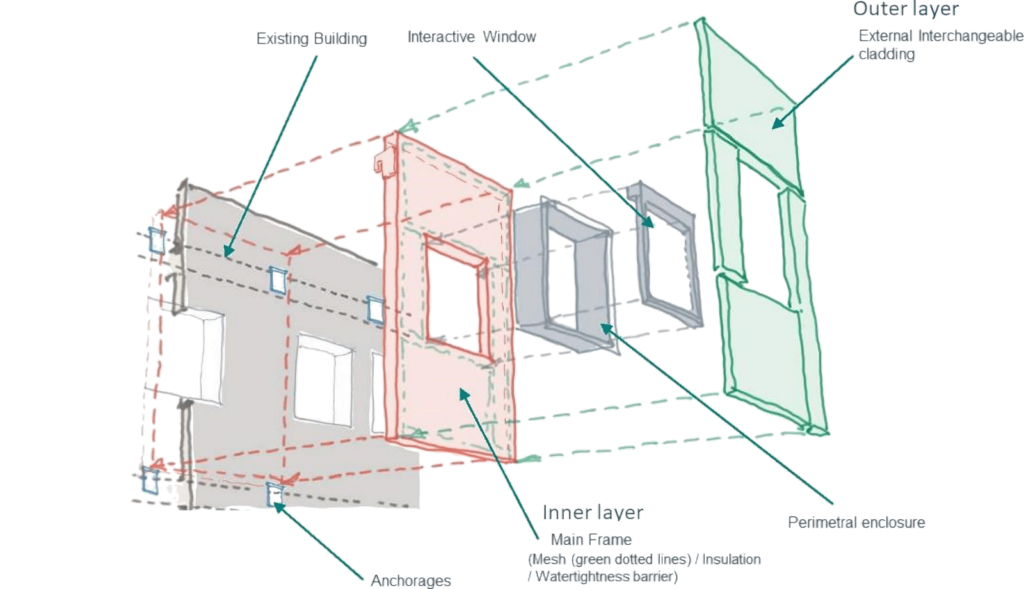
Prefabricated window systems are custom-built off-site and then delivered for quick, easy installation. This method reduces on-site labor, minimizes construction disruption, and ensures high quality, as the windows are constructed in controlled environments.
- Technique: Prefabricated systems involve constructing window assemblies in a factory, where precise quality control ensures consistency. Once delivered to the school site, these units can be installed rapidly, reducing the impact on school operations.
- Benefits: Prefabricated systems improve installation speed and quality while reducing waste. Since they are pre-assembled, these windows provide a high level of quality control, minimizing errors and defects.
7. Anti-Glare and UV-Blocking Coatings
Glare and UV exposure can disrupt students’ comfort and contribute to eye strain, making anti-glare and UV-blocking treatments a valuable addition in school window installations.
- Technique: Anti-glare coatings reduce the reflection of sunlight, minimizing visual discomfort for students. UV-blocking films or glass treatments filter out harmful ultraviolet rays without reducing visible light.
- Benefits: Reducing glare improves students’ ability to see boards and screens clearly, supporting better focus and reducing eye strain. UV protection also prevents furniture and flooring from fading, helping to maintain the aesthetics of classrooms over time.
8. Smart Windows with Automated Controls
Smart window technology represents the future of window installations in educational settings, offering features like automatic tinting, lighting control, and energy management. Smart windows can adjust according to sunlight levels or time of day, reducing energy use and enhancing comfort.
- Technique: Electrochromic or photochromic glass automatically tints in response to sunlight, reducing heat gain and glare without the need for blinds or curtains. Smart windows can also connect to building management systems, adjusting based on pre-set conditions.
- Benefits: Automated smart windows improve energy efficiency, reduce the need for artificial lighting, and provide a comfortable learning environment without constant manual adjustment. This technology also aligns with sustainability goals, helping schools reduce their carbon footprint.
Conclusion
Modern window installation techniques for educational facilities provide solutions that improve energy efficiency, safety, and comfort. From energy-efficient glazing and soundproofing to smart windows and prefabricated systems, schools now have access to technologies that enhance the learning environment while lowering operational costs. By investing in these advanced installation methods, educational institutions can create safe, comfortable, and sustainable spaces that support both students and staff.