

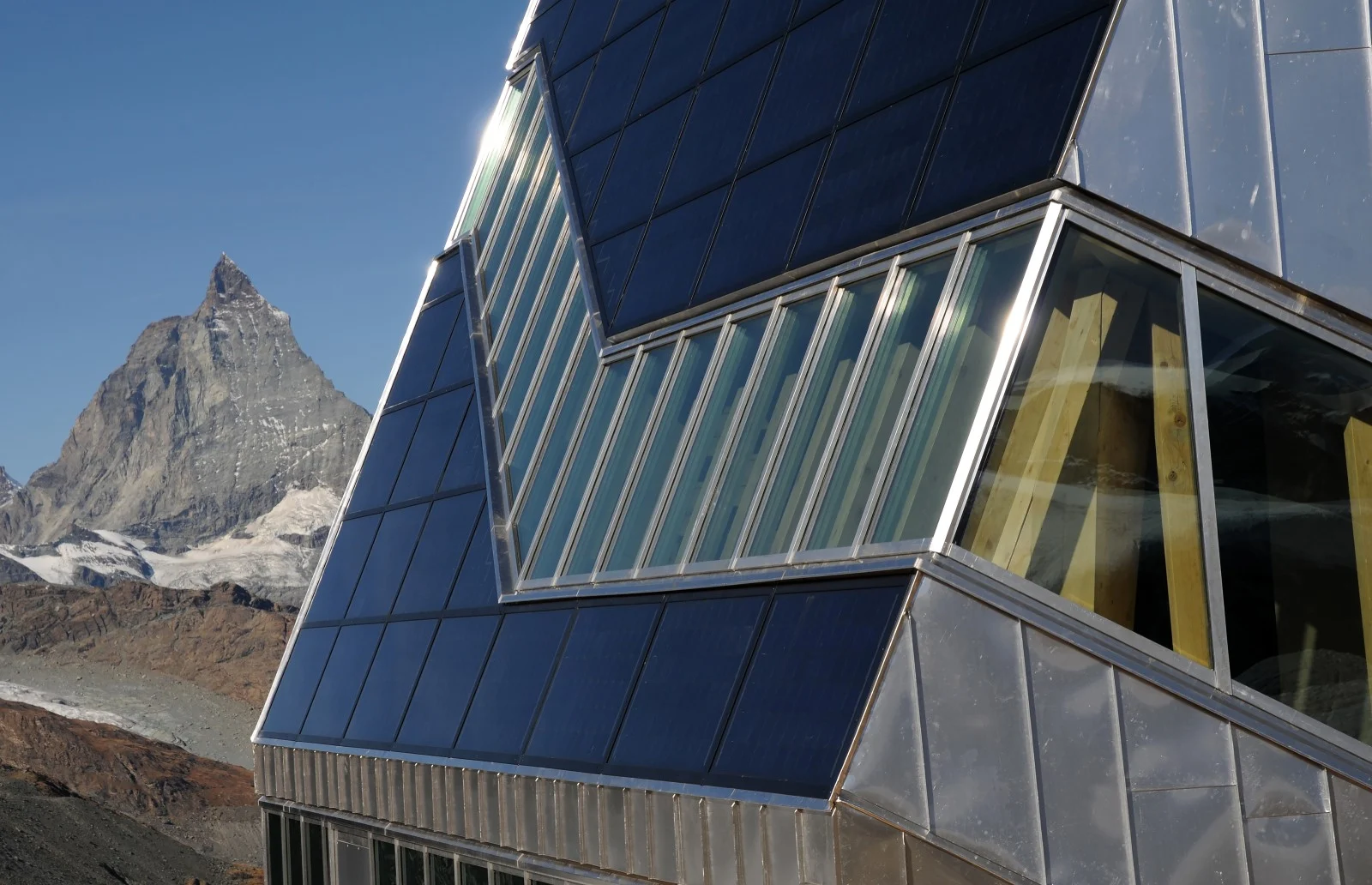
Energy-efficient windows are a powerful solution for schools looking to cut down on operational costs while enhancing comfort and sustainability. These windows, designed to prevent heat loss, reduce glare, and improve insulation, offer long-term savings by lowering energy demands. For schools operating on tight budgets, investing in energy-efficient windows not only supports financial goals but also contributes to a healthier learning environment for students and staff. This article explores the ways energy-efficient windows reduce school operational costs and highlights why they’re a smart choice for educational facilities.
1. Lower Heating and Cooling Costs
One of the primary benefits of energy-efficient windows is their ability to maintain a consistent indoor temperature, minimizing reliance on heating and cooling systems. These windows are designed with advanced insulation materials that prevent heat from escaping in the winter and keep it out during summer.
- How It Works: Energy-efficient windows use features like double or triple glazing, Low-E coatings, and insulating gas fills (such as argon or krypton) between panes. These elements reduce heat transfer, creating a thermal barrier that stabilizes indoor temperatures.
- Cost Impact: By reducing the need for heating and cooling, energy-efficient windows can lower energy bills by up to 25-30%. For schools with large facilities and multiple buildings, these savings add up, freeing budget resources for other needs.

2. Reduced HVAC System Wear and Tear
HVAC systems in schools often operate under heavy load to regulate temperatures, especially in extreme climates. Energy-efficient windows help lessen this load, reducing wear and tear on HVAC units and extending their lifespan.
- How It Works: With superior insulation, energy-efficient windows decrease the frequency and intensity of HVAC use. When indoor temperatures remain stable, the system doesn’t have to work as hard to maintain comfort.
- Cost Impact: By reducing HVAC workload, schools can extend the life of their heating and cooling systems, lowering maintenance costs and delaying expensive replacements. This results in additional savings and reduces unexpected repair expenses.
3. Lowered Artificial Lighting Costs
Natural light is essential in learning environments, enhancing focus and reducing fatigue for students and staff. Energy-efficient windows maximize natural lighting, minimizing the need for artificial lighting during daylight hours.
- How It Works: Many energy-efficient windows are designed to allow ample natural light without increasing glare or heat gain. Low-E glass coatings filter UV and infrared light, allowing visible light in while reducing the need for artificial lighting.
- Cost Impact: By taking advantage of natural light, schools can decrease their electricity usage for lighting, especially in classrooms, hallways, and common areas. This helps reduce operational costs and supports sustainability efforts.
4. Improved Insulation Reduces Energy Loss
Older windows often allow drafts and air leaks, leading to significant energy loss. Energy-efficient windows are designed with superior insulation that prevents air leakage, maintaining consistent temperatures and reducing energy waste.
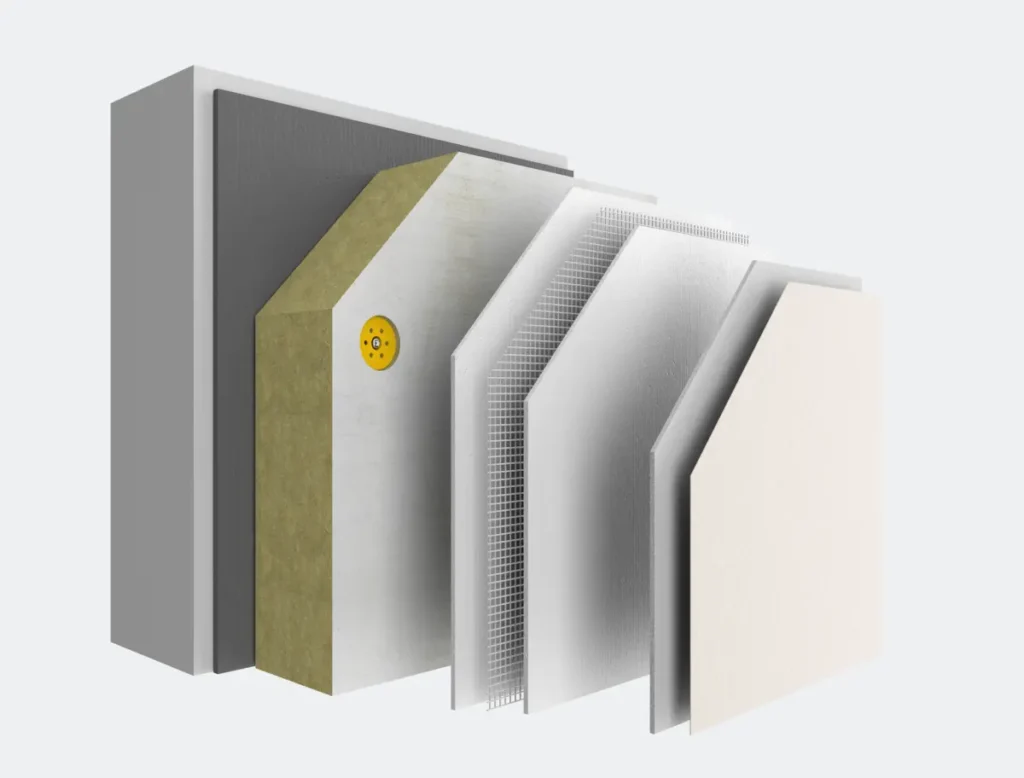
- How It Works: Features like double glazing, thermal break frames, and tight seals prevent drafts and reduce heat transfer. High-quality insulation stops conditioned air from escaping, which is especially important in colder regions.
- Cost Impact: Better insulation directly reduces energy waste, lowering monthly utility bills. Schools save money on energy, which contributes to a more predictable budget and reduced annual operating expenses.
5. Lower Maintenance Costs
Energy-efficient windows are built with high-quality, durable materials, such as vinyl or fiberglass frames, that require minimal maintenance. Unlike traditional windows, which may need frequent repairs due to wear and tear, energy-efficient windows are designed to withstand harsh weather and heavy usage.
- How It Works: Modern energy-efficient windows are resistant to warping, cracking, and fading, and they often come with protective coatings that make them easy to clean and maintain.
- Cost Impact: Reduced maintenance needs mean schools spend less on repairs and replacements, which can otherwise add up over time. Durable windows reduce the likelihood of unexpected expenses, making them a cost-effective, low-maintenance choice.
6. Increased Property Value and Investment Return
For schools, particularly private or charter institutions, property value matters. Energy-efficient upgrades can increase a school’s property value and provide a return on investment over time.
- How It Works: Installing energy-efficient windows is a valuable asset that can make the property more attractive to buyers or investors. Enhanced energy performance and lower operating costs add to the building’s value.
- Cost Impact: Although the initial investment in energy-efficient windows may be higher, the long-term savings and property value increase make it a worthwhile investment. Schools can benefit financially, especially if they plan to sell, expand, or attract additional funding.
7. Eligibility for Green Building Incentives
Many government programs offer incentives, grants, or tax breaks for green building initiatives, including energy-efficient windows. Schools that upgrade to energy-efficient windows may qualify for these financial benefits, reducing initial costs and supporting sustainable development.
- How It Works: Schools can apply for federal or state energy-efficiency grants, tax credits, or utility rebates that subsidize the cost of installing energy-efficient windows. These programs encourage eco-friendly upgrades and can help reduce installation expenses.
- Cost Impact: Taking advantage of green building incentives makes it easier to cover the upfront costs of energy-efficient windows. Schools save on installation, making the project more affordable and allowing them to allocate funds elsewhere.
8. Environmental Benefits with Long-Term Cost Savings
Energy-efficient windows contribute to a school’s sustainability goals by reducing its carbon footprint and energy consumption. Many educational institutions are focusing on eco-friendly practices to align with environmental values and educate students about sustainability.
- How It Works: By using less energy, schools with energy-efficient windows reduce greenhouse gas emissions, supporting a healthier environment. This aligns with green initiatives and prepares students to make environmentally conscious choices.
- Cost Impact: While the primary benefit is environmental, sustainable practices can attract additional funding, grants, and partnerships that support eco-friendly schools. These relationships can provide financial support for future projects, further reducing operational costs.

Tips for Choosing and Installing Energy-Efficient Windows in Schools
- Select the Right Glazing and Coatings for Climate NeedsThe choice of window glazing and coatings depends on local climate conditions. In colder areas, double or triple glazing and Low-E coatings are essential to prevent heat loss. Warmer climates benefit from Low-E glass that reflects sunlight and blocks heat gain.
- Tip: Consult with a professional to determine the best type of glazing and coatings for your school’s climate, maximizing efficiency and cost savings.
- Work with Certified InstallersProper installation is crucial to achieving the full benefits of energy-efficient windows. Certified installers ensure windows are airtight, preventing drafts and optimizing performance.
- Tip: Choose contractors experienced in energy-efficient installations for schools, as they understand specific building codes and insulation requirements for educational facilities.
- Conduct an Energy Audit Before InstallationAn energy audit can identify the areas where your school is losing the most energy, helping to prioritize which windows should be replaced first. This assessment will give insight into potential savings and the most cost-effective solution.
- Tip: Reach out to a local energy auditor or utility provider who may offer energy audits as part of their services, helping your school plan effectively.
- Consider Durable, Low-Maintenance MaterialsSelect materials that offer long-lasting durability, like vinyl or fiberglass frames, which are resistant to wear and easy to maintain. This choice will reduce maintenance expenses and increase the lifespan of the windows.
- Tip: Look for materials with long warranties to protect your investment and reduce long-term repair costs.
Conclusion
Energy-efficient windows are a valuable investment for schools seeking to lower operational costs and create a healthier learning environment. By reducing heating, cooling, and lighting expenses, these windows contribute to significant savings while improving comfort and sustainability. From enhancing indoor air quality to extending HVAC lifespan, the benefits of energy-efficient windows extend far beyond initial installation, supporting both financial and environmental goals for educational institutions.